Fourteen Days in Japan and Korea: What I Actually Found
I did what I do: I went. Fourteen days, two countries, and by the end of it I came home a little different than when I left.
Tokyo, first impressions
We landed in Tokyo and I felt that particular jet lag hum settle into my shoulders somewhere between the Cerulean Tower check-in and my first real cup of coffee. The hotel itself is fine for a first night, though I’d steer you toward the Cerulean Floor rather than the standard room, which felt a step behind what I want for my clients. A few days later we moved to the Palace Hotel Tokyo, directly across from the Imperial Palace, and the difference was immediate. Plush carpets. A signature scent in the lobby I can still call to mind. A room with an open bathroom flowing into the bedroom that felt modern without ever feeling stark.
Craft country: Fukui and the Echizen region
We went north to Fukui for the Echizen crafts, lacquerware apprentices bent over their work, a washi papermaker whose hands moved like she’d been doing it since birth, because she nearly had. I’ll be honest with you, not every stop here landed. The blade “workshop” turned out to be more museum than hands-on experience, and the papermaking was a demonstration, not something you actually do yourself. Worth knowing before you build an itinerary around it. But staying at Eshikoto, eight bungalows each with a private onsen, sleeping on a floor mattress in a sunken room, that stays with me. It’s not for every client. It’s for the client who wants to disappear into craft and stillness for a night.
Amanemu: the best two nights of the trip
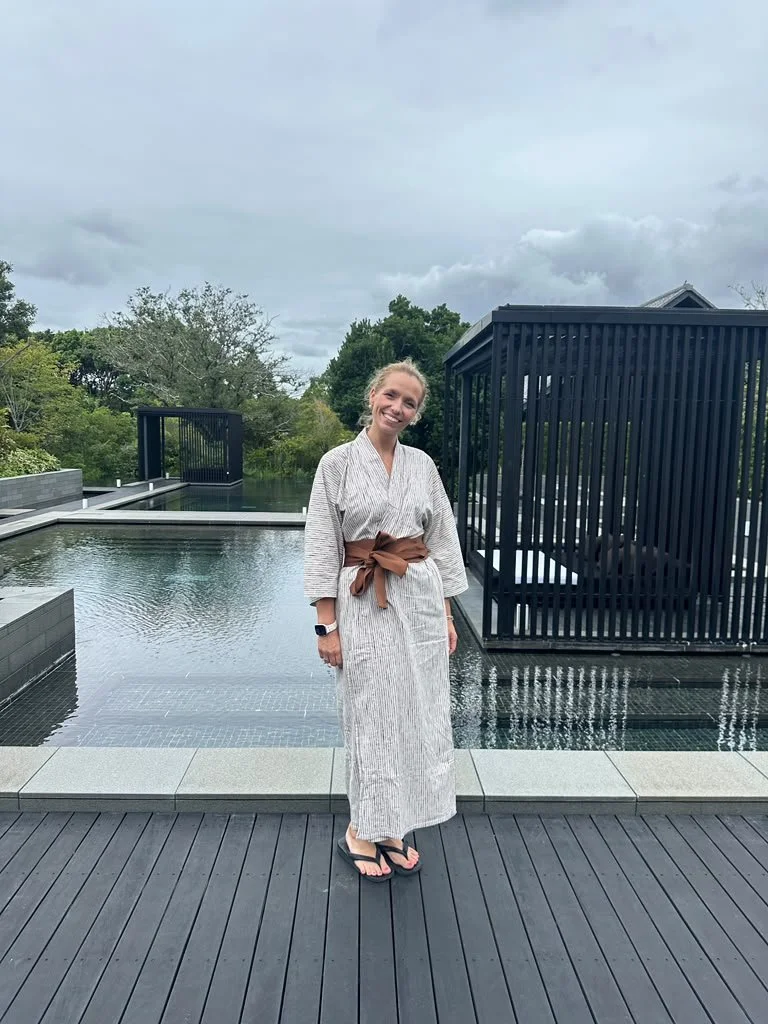
If you only remember one property from this whole recap, let it be Amanemu. We arrived in Mie after a 3:40am monastery chanting ceremony that I felt in my chest before I understood it in my head, the drum working through the floor and up through my body. Amanemu itself does something rare: they walk you straight to your room and do the paperwork there, no lobby, no waiting. Every room has its own private onsen. Dinner, two nights running, was seven courses that never once missed. When I asked for a beef course cooked a little less, it came back rerun and at the table in under two minutes, melt in your mouth. A spider showed up in my room one night and staff were at my door before I’d finished dialing down. This is the property I think about when I think about what luxury should actually feel like, not flash, just attention.
Pearls, ama divers, and a golden pavilion
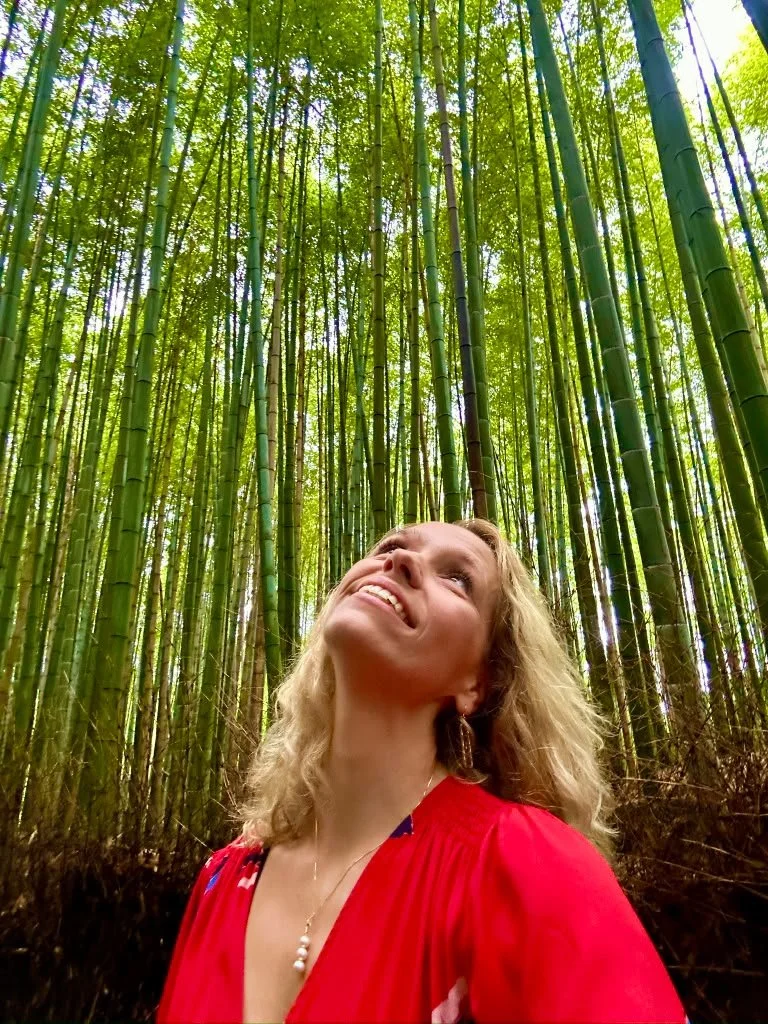
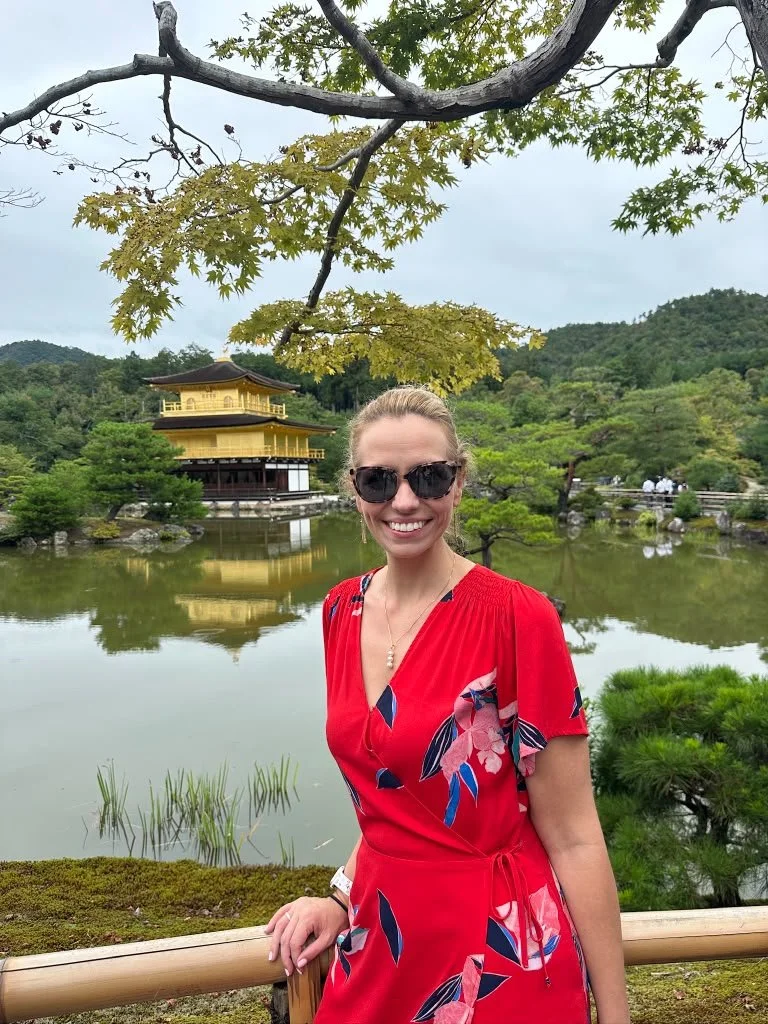
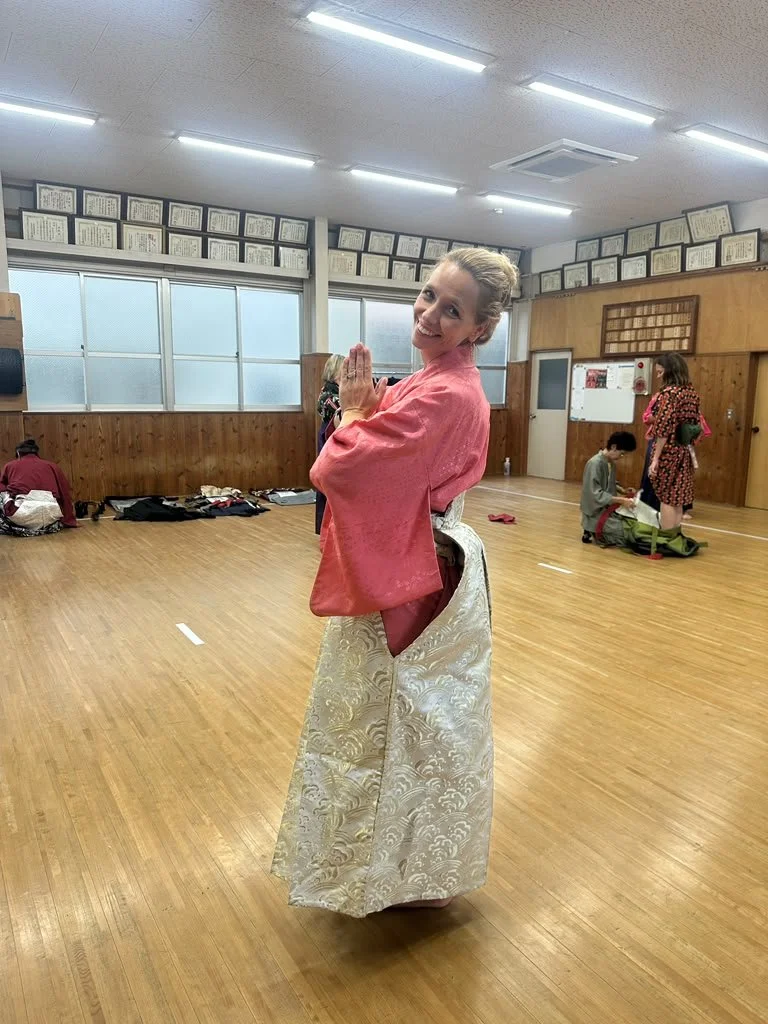
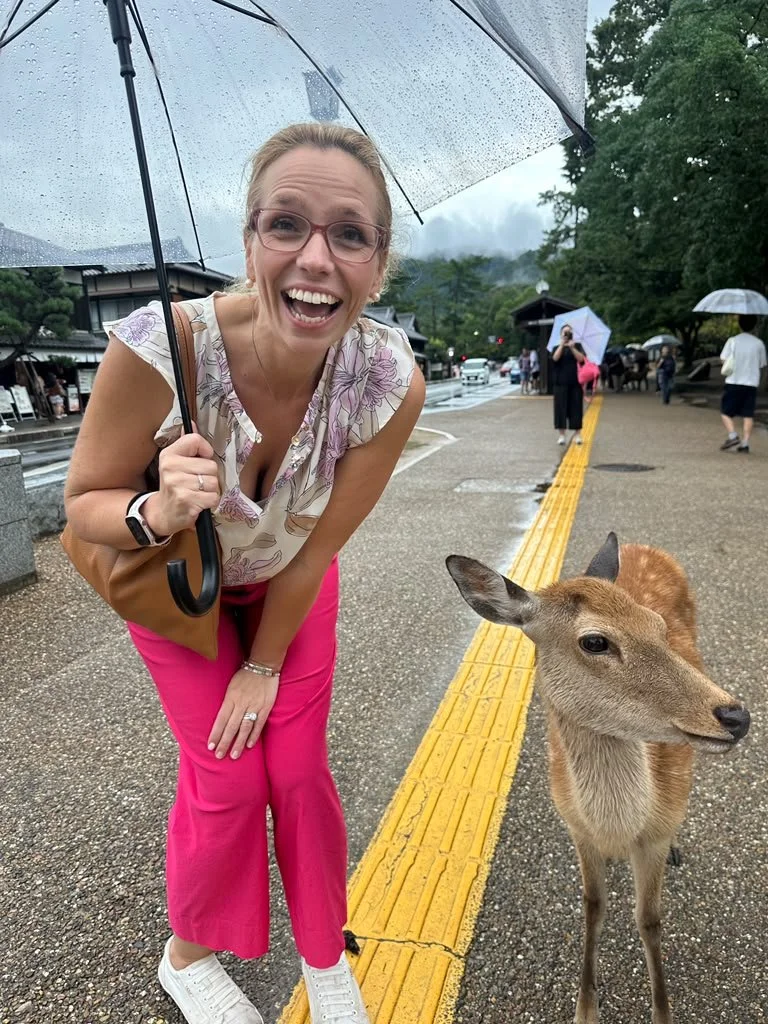
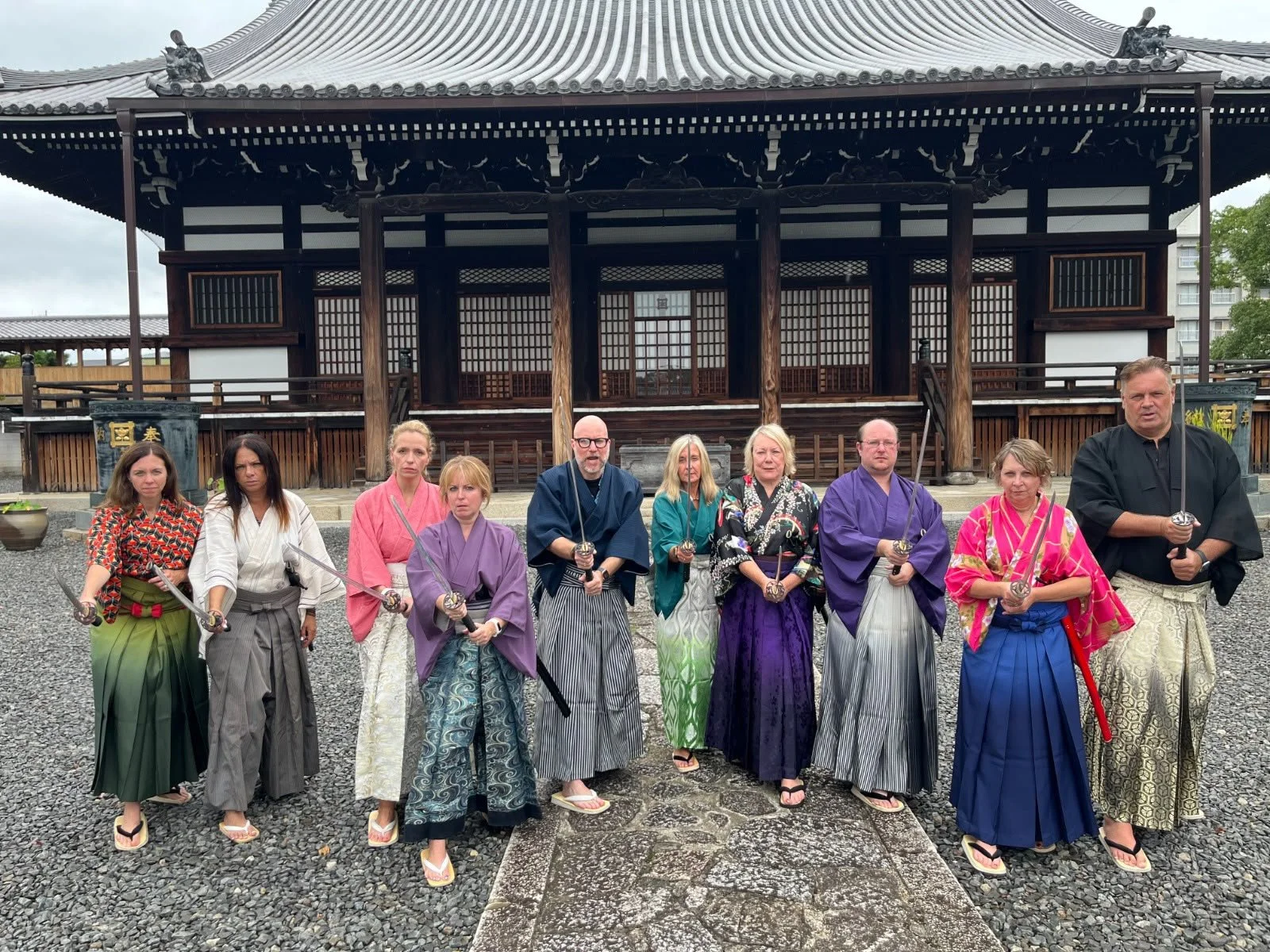
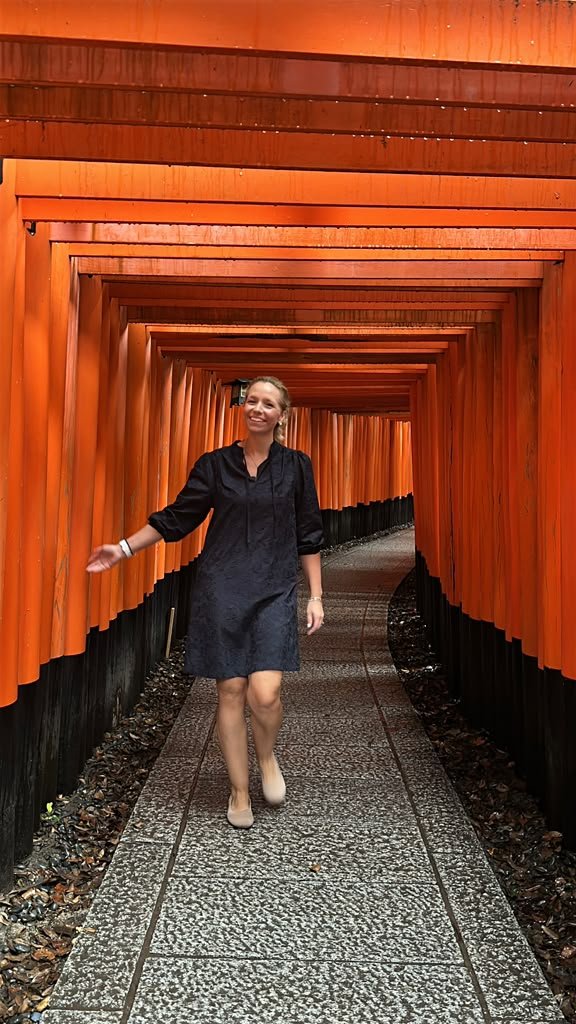
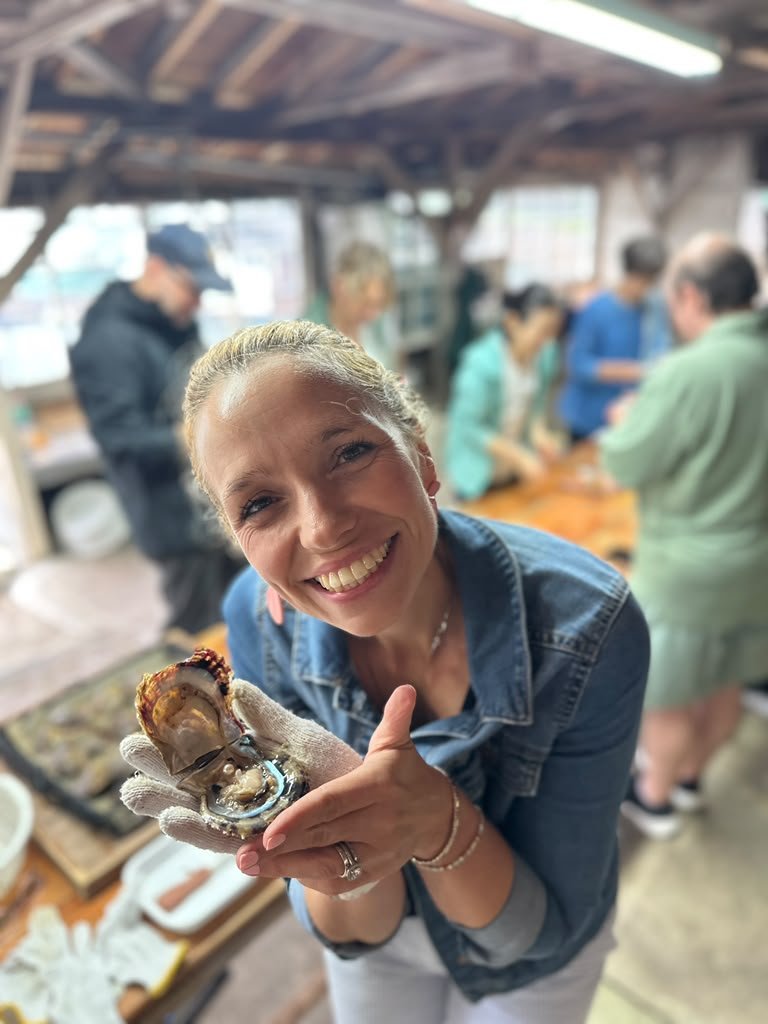
Near Amanemu, a family-run pearl experience let me pick and open my own oyster, then turn the pearl into a bracelet on the spot. Lunch was hosted by ama divers in their seventies, still diving for a living, the legend fully alive in front of us. In Kyoto, Kinkakuji’s golden pavilion photographed beautifully, and Kiyomizu Temple, even in low season, reminded me how much crowd management matters when I’m planning for clients. We beat the worst of it at the bamboo forest and at Fushimi Inari’s endless orange gates by arriving at 6:30am, a pattern I watched repeat itself the entire trip. Nara Park poured on us the whole morning, the deer sheltering near the cookie vendors right in the middle of a busy street, and then the sky cleared and suddenly they were roaming the open park exactly the way you picture it. Both versions were worth seeing.
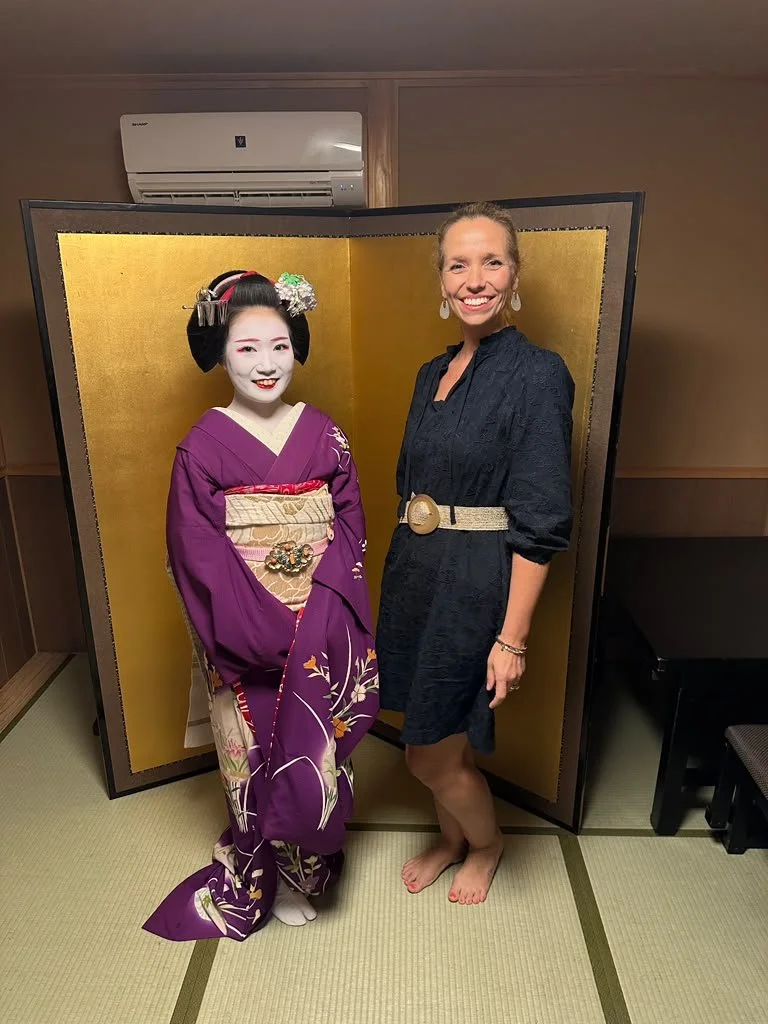
Our last night in Kyoto, we had dinner with a Maiko, an apprentice geisha just nineteen years old, four years into a training most of us will never fully understand. She answered every question, danced, and taught us a traditional game. It’s the kind of evening you can’t plan your way into. You just have to be there.
Then Korea happened
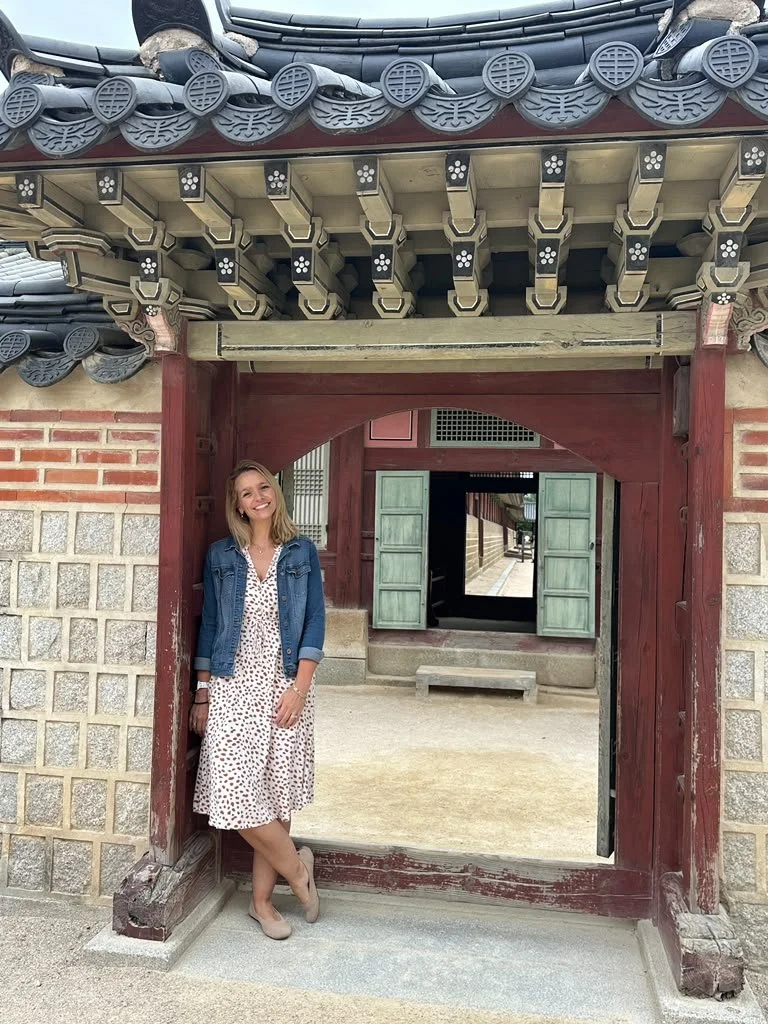
I went into Korea expecting to enjoy it. I came home in love with it. Seoul’s palace opens at nine. We arrived right as the gates did, and fifty minutes later the courtyard we’d had nearly to ourselves was packed, one more piece of proof that the early alarm is always worth it. Bukchon Hanok Village put old Seoul and new Seoul side by side in a way that made the whole city feel legible. N Seoul Tower gave us a proper view for not much money at all.
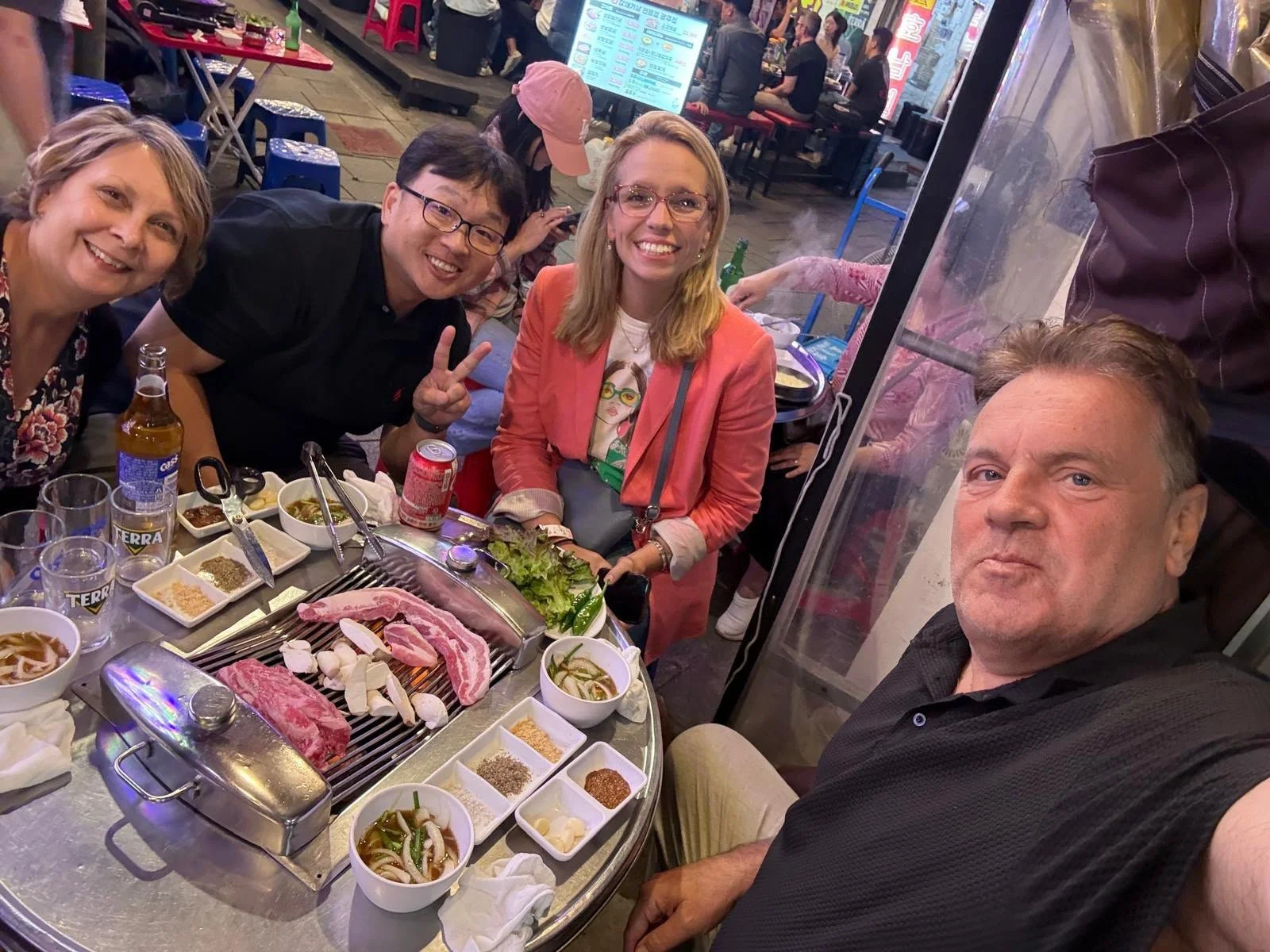
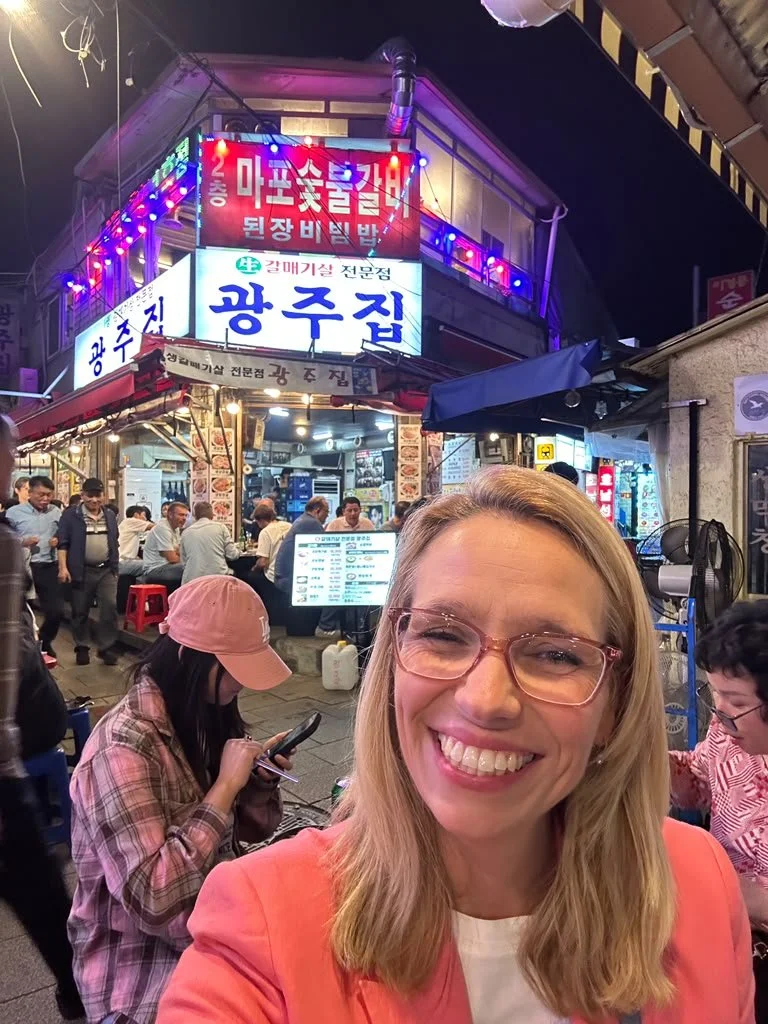
But the food tour is what did it. A pancake with cinnamon sugar at a market so busy I could barely hear myself think. Makgeolli, rice wine that somehow tastes like sparkling milk beer, which I loved and nobody else in my group did. Korean barbecue on plastic stools in the middle of a Seoul street, at the very first barbecue restaurant the city ever had, our guide teaching us Korean drinking games that, as he explained, aren’t about getting drunk at all. They’re about spending more time with the people you’re with. I went out on a Thursday night and every restaurant in sight was full. In the U.S. that street would have been empty. Here it never was.
The DMZ
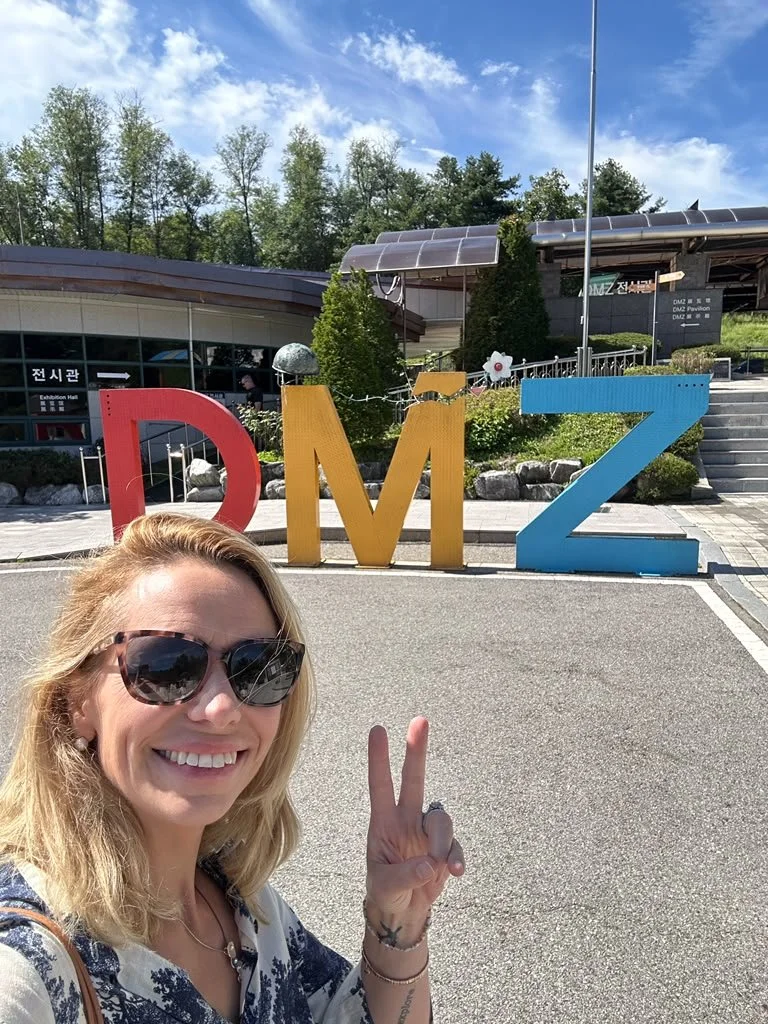
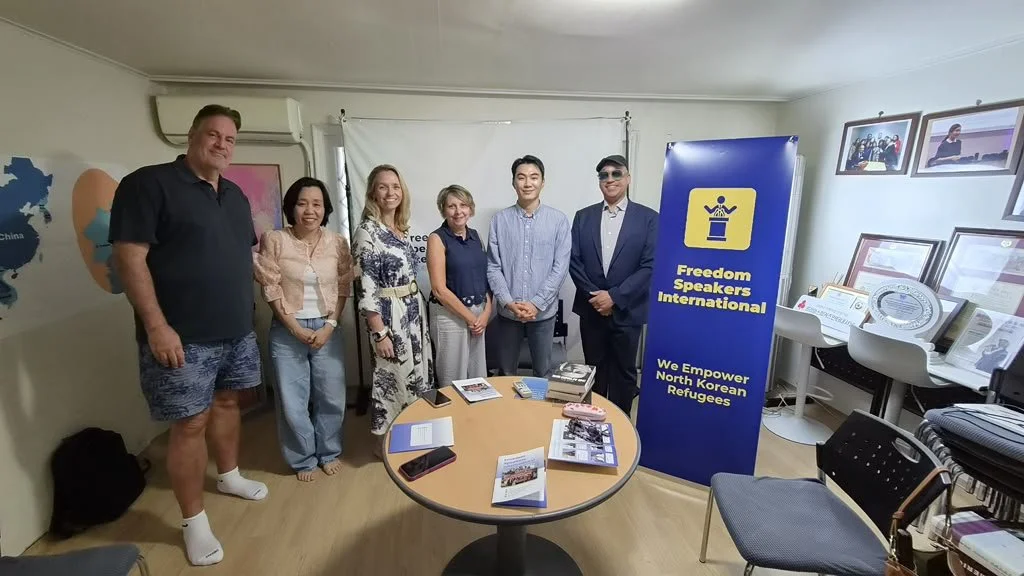
I’m not going to try to fold the DMZ into a paragraph here. We stood at an observation platform and looked directly into North Korea. We walked through a tunnel built to move thirty thousand soldiers in an hour. We sat down afterward with a man who had defected years ago and built a life in Seoul. That conversation is staying with me longer than almost anything else from this trip, and it deserves its own space here on the blog rather than a few lines at the end of a recap. I’ll be writing about it separately.
What I’m bringing home
I loved Japan. I am completely, unreservedly in love with Korea. And I came home with the kind of firsthand knowledge I can’t get any other way, which room category is actually worth it, which morning is worth the early alarm, which experience is beautiful to look at but wrong for the client sitting across from me. If either of these countries has been sitting in the back of your mind, I can build you a trip that reflects what I actually found, not what a brochure told me to expect.
Ready for a trip that feels personal? Let’s talk.